






Hypotensive or antihypertensive: reduces arterial pressure (or tension)
Hypertensive: increases blood pressure
Hypertension or high blood pressure (HBP) abnormally high blood pressure in the blood vessels#ref:162#.
| *Average value taken at rest | Systolic pressure (mmHg) | Diastolic pressure (mmHg) |
| Normal pressure | 120* | 80* |
| High pressure (light) | 140* | 90* |
| High (severe) pressure | >180 * | >110* |
| Low pressure | 105* | 65* |
Systolic pressure: pressure when the heart contracts
Diastolic pressure: pressure when the heart relaxes
Primary hypertension: HBP that is not attributable to a medical cause.
Secondary hypertension: HBP that is a secondary effect of another health problem. This article deals mainly with primary HBP.
Note: HBP can be acute or chronic.
Hypertension

Taking care of yourself
Hypertension is a condition that predisposes to serious health problems in the heart. It can also affect the kidneys and eyesight. HBP is the leading risk factor for death worldwide#ref:203#. With or without symptoms, HBP causes constant overload of the heart and is implicated in 60% of cardiac arrests. In the long term, hypertension increases the risk of arteriosclerosis, myocardial infarction, kidney failure, ruptured blood vessels and so on.
Measuring your blood pressure regularly is simple and recommended; if you find that your pressure is high, talk to a healthcare professional.
Active ingredients in hypotensive plants
Calcium channel blockers (CCB)

They have a vasodilatory action on the coronary arteries, reducing pressure and slowing heart rate. They are also useful for correcting arrhythmia, chest pain and atherosclerosis.
Active ingredients: hydrocarbon derivatives (allicin, apiol, etc.), coumarin, naphthoquinones (juglone), alkaloids (sanguinarine).
Plants: garlic(Allium sativum), dill(Anethum graveolens), fenugreek(Trigonella foenum-graecum), lovage(Levisticum officinale), parsley(Petroselinum crispum), black walnut(Juglans nigra), bloodroot(Sanguinaria canadensis).
ACE inhibitors

Active ingredients: flavonoids, procyanidin and peptides
Plant: Ramsons (Allium ursinum)
Intracellular cyclic adenosine monophosphate inhibitor

Active ingredients: certain lignans, such as Furanofuran lignans found in olive leaves
Plants: olive
Hypotensives – for high blood pressure
In general, a vegetarian or mainly vegetarian diet will lower blood pressure. Many plants have a hypotensive effect, but here I’ll try to limit myself to specialist plants.
| Plant | Hypotensive | Vasodilator | Diuretic | Cardio-tonic | Calming, sedative | Vascular tonic |
| Hawthorn(Crataegus spp.) | ⭐⭐⭐ | ⭐⭐ | ⭐⭐ | ⭐⭐⭐ | ⭐⭐ | ⭐⭐ |
| Garlic(Allium sativum) | ⭐⭐ | ⭐⭐ | ⭐⭐ | ⭐⭐ | ⭐ | ⭐⭐ |
| Basswood(Tilia platyphyllos) | ⭐⭐ | ⭐⭐ | ⭐⭐ | ⭐⭐ | ⭐⭐ | ⭐ |
| Yarrow(Achillea millefolium) | ⭐⭐ | ⭐⭐ | ⭐⭐ | ⭐⭐⭐ | ||
| Pimbina(Viburnum opulus) | ⭐⭐ | ⭐⭐ | ⭐ | |||
| Valerian(Valeriana officinalis) | ⭐⭐ | ⭐ | ⭐⭐⭐ | |||
| Olive (Olea europea) | ⭐⭐ | ⭐⭐ | ⭐⭐⭐ | |||
| Japanese motherwort(Leonurus japonicus) | ⭐⭐ | ⭐⭐ | ⭐⭐ | ⭐⭐ | ⭐ |
For your own good… Go and read the plant sheet
Whenever possible, I try to provide a hyperlink for each plant. This link opens a plant fact sheet that provides not only information about the plant’s cultivation, but also information on how to use it safely (methods of use, safe doses, precautions, interactions, properties). Naturally, if you have a complicated medical condition, this sheet won’t be enough, and you’ll need to consult a professional herbalist or pharmacist. But even if you’re in good health, for your own safety, take the time to get to know the plants before using them. They are natural, but also powerful.


Hypertension-related issues

Issue: Primary hypertension
First, we look for plants with a hypotensive effect, to lower blood pressure. Synergies can be created by adding the following properties:
Cardiotonic : when pressure is high, the heart has to work harder.
Vasodilator : directly reduces blood pressure.
Diuretic : by eliminating water and salt from the blood, it reduces blood volume and thus blood pressure.
Vascular and circulatory tonic : nourishes and keeps arteries supple.
Nervous/calming/sedative: reduces stress and anxiety, which can raise blood pressure.
Useful plants: Hawthorn(Crataegus spp.), Linden(Tilia platyphyllos), Yarrow(Achillea millefolium) and Pimbina(Viburnum opulus).

Issue: Migraine
Anti-migraine plants are the specialists. Depending on the cause of the migraine, they are often used with analgesic and calming plants such as white willow(Salix alba), meadowsweet(Filipendula ulmaria) and Californian poppy(Eschscholzia ‘californica’).
Other plants can eliminate the problem at source:
– Luteotropes: synthesize progesterone (catamenial migraines, premenstrual syndrome, premenopause), e.g. alchemilla(Alchemilla vulgaris) and vitex(Vitex agnus-castus).
– Antispasmodics, hepatic and cholagogue: reduce migraines caused by gallbladder spasms (in the case of hepatobiliary migraines, e.g. milk thistle(Silybum marianum), green anise(Pimpinella anisum) and black radish(Raphanus sativus var. niger).
– Blood thinners, anti-inflammatories, vasodilators, hypotensives; can reduce pressure in the cranium.
– Feverfew (Tanacetum parthenium): a great specialist in preventing and reducing the occurrence and intensity of migraines. This plant works as a totum. It can be taken with fumitory(Fumaria officinalis), lemon balm(Melissa officinalis) or ginger(Zingiber officinal). Mint essential oil applied to the forehead and temples can also bring relief.
– Migraines can be a symptom of serious causes. See a doctor to identify the cause.

Issue: Atherosclerosis
Atherosclerosis (from the Greek athêra, meaning “porridge “1and scleros, meaning “hard”) is a disease affecting large and medium-caliber arteries, characterized by the appearance of atheromatous plaques. Atherosclerosis must be diagnosed by a healthcare professional, who will also determine its treatment.
Certain plant properties can be used for prevention and to regulate risk factors:
Hypotensive: reduces high blood pressure.
Hypocholesterolemic: reduces “bad” cholesterol, i.e. low-density cholesterol (LDL).
Cardiotonic, cordial and vascular circulation tonic: contributes to the tone, flexibility and resistance of the vascular system.
Vasodilator: reduces the impact of partial blockages.
Calming/Anxiolytic: reduces stress.
Antispasmodic: relaxes muscles surrounding the arteries.
Recommended plants, which may be taken mixed as a tincture: hawthorn(Crataegus spp.), fenugreek(Trigonella foenum-graecum), linden(Tiliaplatyphyllos), yarrow (Achilleamillefolium), pimbina(Viburnum opulus), ginko biloba(Ginkgo biloba).
Hypotension
Low blood pressure is no longer considered a health problem. Occasional drops in blood pressure, often linked to vagal shock, hypoglycemia or anemia, exhaustion or excessively high ambient temperature, can cause dizziness and loss of consciousness. Low blood pressure can, in some cases, contribute to a feeling of tiredness or languor.
In these cases, pressure can be temporarily regulated to reduce symptoms, but the primary problem needs to be addressed.
Hypertensives
A great many drugs, as well as certain stimulant plants taken in excess (coffee, tea, cocoa), may temporarily raise blood pressure. That said, relatively few medicinal plants are hypertensive.
| Plants | Hypertensives |
| Mugwort(Artemisia vulgaris) | ⭐⭐ |
| Mint(Mentha × piperita) | ⭐⭐ |
| Licorice(Glycyrrhiza glabra) | ⭐⭐ |
| Milk thistle(Silybum marianum) | ⭐⭐ |
For your own good… Go and read the plant sheet
Whenever possible, I try to provide a hyperlink for each plant. This link opens a plant file that not only provides information about the crop but, if you look further down, also information about safe use of the plant (methods of use, safe doses, precautions, interactions, properties). Naturally, if you have a complicated medical condition, this sheet won’t be enough, and you’ll need to consult a professional herbalist or pharmacist. But even if you’re in good health, for your own safety, take the time to get to know the plants before using them. They are natural, but also powerful.


Hypotension-related issues

Issues: Fatigue and convalescence
First and foremost, we look for tonic and adaptogenic plants. These plants are specialists in restoring the energy needed to get back into shape.
Bitter herbs are generally tonics, specializing in restoring the digestive system, improving appetite and, in short, boosting energy by improving nutrient absorption.
Herbs with a hepatoprotective effect will be useful if fatigue comes from an ailing liver.
Plants with a hypertensive effect can give energy if blood pressure is very low. Sometimes, fatigue is due to the stress created by high blood pressure. Blood pressure should be checked before being raised.
Nutritious plants help to make up for deficiencies that may be at the root of chronic fatigue.
Useful plants: wormwood, acore odorant, ashwagandha, angelica, elecampane, eleutherococcus, gentian, ginseng, American ginseng, nettle.
Note: prolonged fatigue without a justifying event may be a symptom of serious illness or hormonal disorders: talk to your doctor.
Please note that we’ve included the complete Fatigue and convalescence block here, because fatigue can be due to a number of causes, not just hypotension.

Issues: Fainting – dizziness (swooning)
Sudden unconsciousness occurs when blood flow to the brain is reduced. The causes are diverse: hunger, vagal shock, exhaustion, severe pain, excessive heat and many medical conditions (requiring diagnosis and medical attention).
No. 1 Lie down on the floor and lift your feet. Treat the cause: eat, drink (sweet) juice, air out the room, etc.
Plants with a stimulating or hypertensive effect: to bring blood back to the brain and reduce feelings of weakness. Examples include coffee and cardamom.
Certain essential oils such as eucalyptus, rosemary and lavender may be useful (like a modern version of swoon salts).
Take care of yourself: if you have a habit of fainting easily, consult a doctor to find out the cause.
Causes of blood pressure disorders
To regulate pressure, the body has several tools at its disposal, such as adrenalin (to speed up the heart), the vagus nerve (to dilate the vessels and slow down the heart), the kidneys (to eliminate salt) and antidiuretic hormones (to increase it). In short, blood pressure is managed to deliver more oxygen during exertion or stress, and less at rest. So it’s perfectly normal for it to vary throughout the day.
Although in our Western societies, African-Americans and Aboriginals are more prone to hypertension than Caucasians, it is virtually absent in societies that have not been influenced by the Western way of life, and is therefore highly dependent on our lifestyle habits.
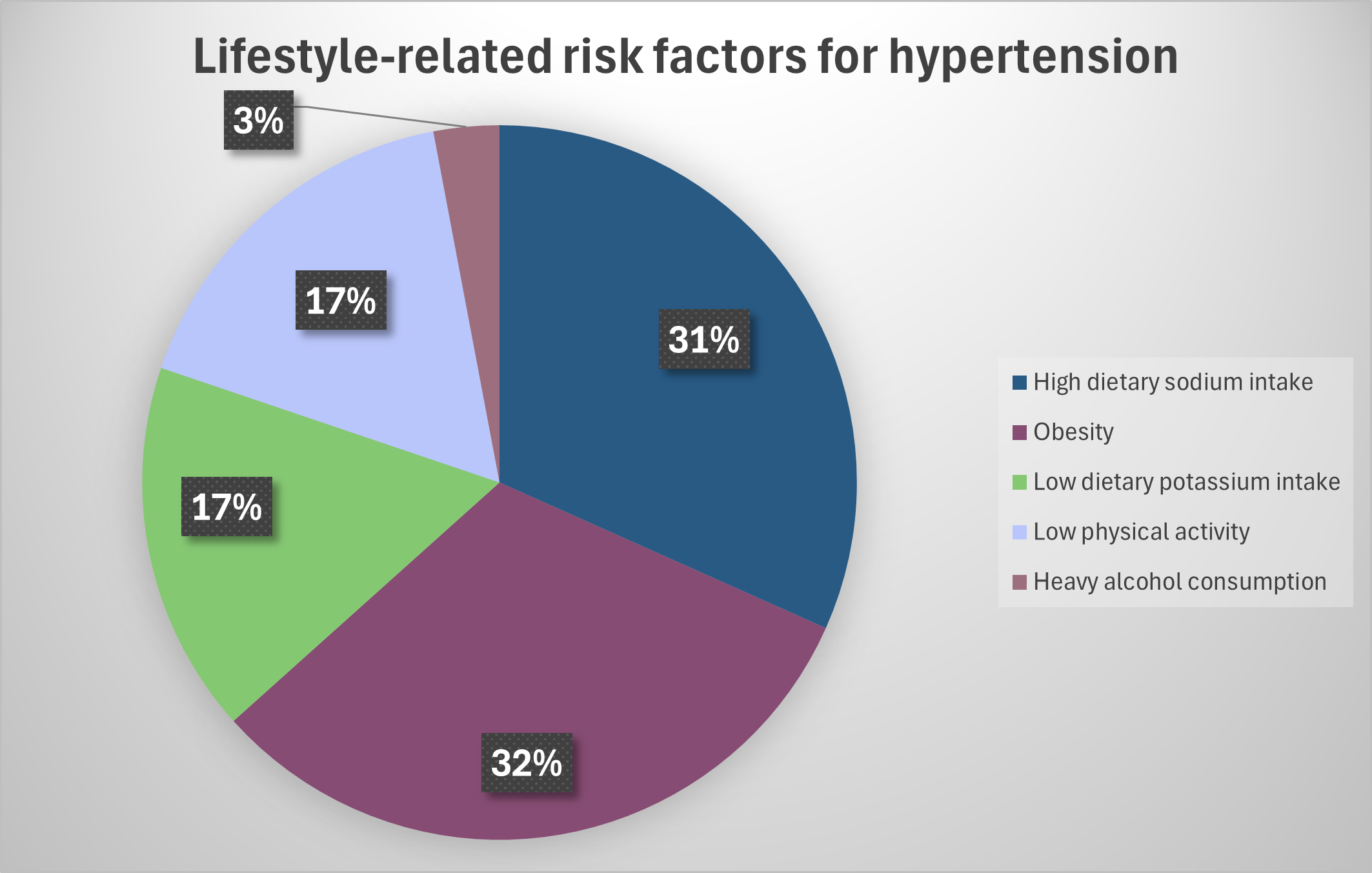
Lifestyle and diet advice
I can’t do an article on blood pressure without reminding you (in a friendly way) that certain simple, healthy gestures are the best means of prevention.
Lifestyle:
- practice a sport
- walking in nature
- do relaxation exercises (depending on what works for you, breathing, yoga, meditation, etc.),
- receive a massage.
In terms of food :
- Reduce salt (max. 6g/day), alcohol, tobacco, coffee, animal fats and sugar.
- Increase your intake of fiber and potassium (bananas, oranges, potatoes), garlic (uncooked) and onions, promote vegetable oil consumption, increase the proportion of vegetables in your diet or become vegetarian.
Check the side effects of prescription and over-the-counter medications: many can increase pressure and water retention.
Photo credit:
- Garlic: Dan Côté
- Sanguinary: Matt H. Wade
- Bear’s garlic: Robert Flogaus-Faust
- Olivier: Nickfraser
- Hawthorn: Didier Descouens
- Linden tree: JoJan
- Japanese motherwort: Harry Rose